Powell River Top General Contractor for Quality Construction Services
Powell River Top General Contractor for Quality Construction Services
Blog Article
General Contractor: Your Dependable Contractor for Home Tasks
A general contractor maintains an essential position in building projects. They handle numerous facets of building operations, ensuring that all work proceeds smoothly. Their expertise of construction regulations and guidelines allows them to navigate the challenges of authorizations and reviews. This knowledgeable professional represents an critical link between homeowners and subcontractors. However, many homeowners feel confused about the full scope of their services. Understanding these details can have great importance for the success of any home renovation project.
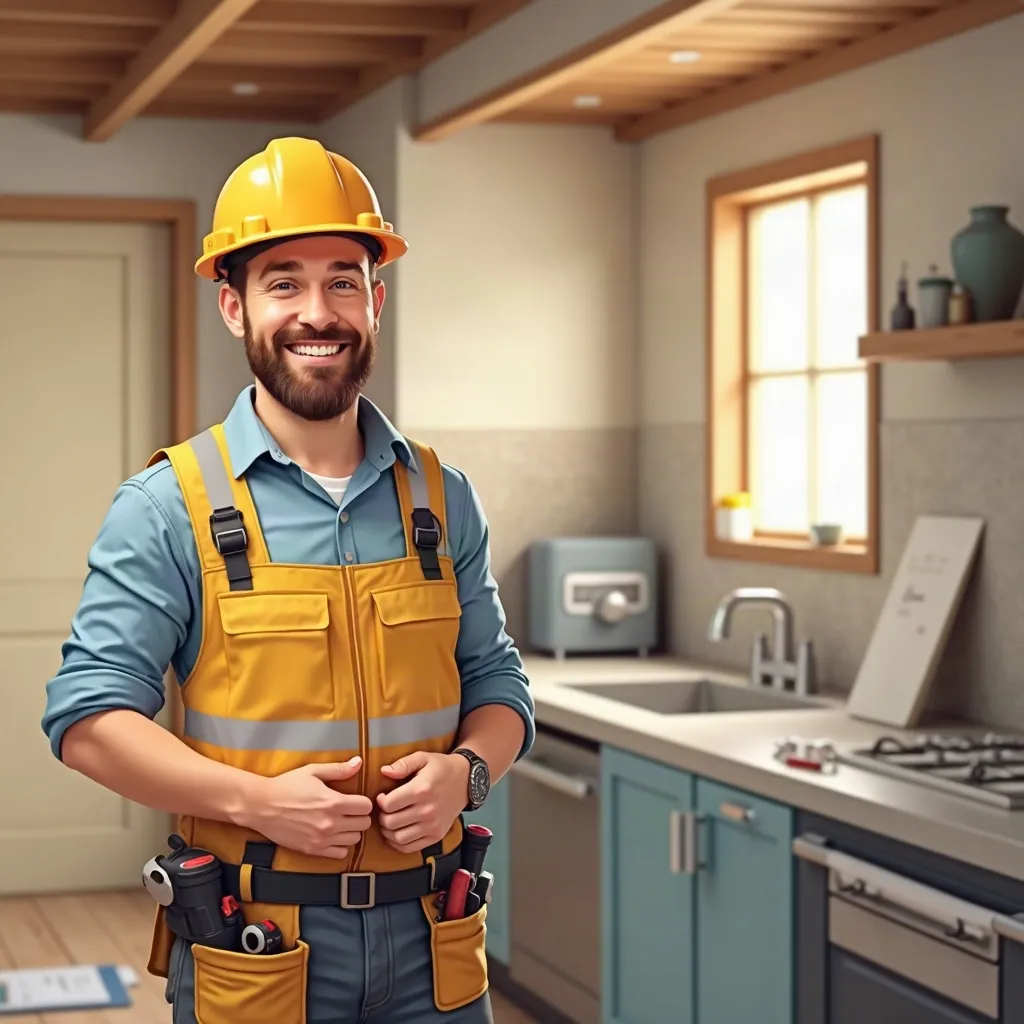
What Does a General Contractor Do?
A general contractor orchestrates the various elements of a construction project, guaranteeing that everything runs analysis smoothly from beginning to end. They function as the primary point of contact, overseeing communication between clients, specialized contractors, and vendors. This role includes planning the project timeline, organizing workforce, and maintaining compliance with local building codes and regulations.
General contractors are in charge of acquiring required licenses and arranging inspections, which are essential to upholding safety and quality benchmarks. They also manage budgeting, sourcing materials, and managing on-site activities to prevent any possible setbacks or complications. In addition, they oversee subcontractors, ensuring that each phase of construction aligns with project specifications and timelines. Overall, a general contractor's knowledge and management abilities are crucial for delivering a successful construction project, transforming a client's vision into reality while managing multiple duties and obligations.
Advantages of Working with a General Contractor for Home Updates
Contracting a general contractor for residential upgrades delivers countless benefits that can greatly boost the quality and efficiency of the work. Professional contractors bring specialized knowledge in managing projects, ensuring that timelines are met and funds are distributed efficiently. Their strong relationships with specialized contractors can generate better rates and superior workmanship, which finally benefits homeowners regarding both time and money.
Additionally, construction professionals coordinate the detailed aspects of permits and inspections, curbing likely regulatory complications. They also provide a centralized coordinator, simplifying communication and coordination among assorted contractors. This efficiency reduces the likelihood of miscommunications and interruptions.
Additionally, their expertise lets them to anticipate potential challenges, permitting quick fixes to stay on track the project on schedule. By hiring a general contractor, homeowners can focus on their vision while obtaining peace of mind, assured that a professional is handling every aspect of the renovation.
Clearing Up Misconceptions Regarding Construction Professionals
While many property owners may hold false beliefs about general contractors, understanding the truths can lead to more educated decisions. One common myth is that hiring a contractor is not needed for minor projects; however, their skills can simplify even minor renovations, ensuring adherence with local codes. Another common belief is that contractors are merely middlemen, but they often possess broad knowledge in multiple areas, enabling them to manage projects efficiently. Additionally, some homeowners think that working with a contractor will significantly increase costs. In truth, a professional contractor can often secure better pricing for materials and labor due to strong relationships with suppliers and subcontractors. Finally, many believe that contractors are inflexible, but trusted contractors prioritize client communication and collaborate closely to meet individual needs. Cleared up myths can empower clients to leverage the real value of general contractors in achieving successful home projects.
How to Pick the Right General Contractor?
How can homeowners ensure they select the ideal construction professional for their projects? The procedure begins with thorough research. Homeowners should seek recommendations from friends, family, and online reviews to find potential candidates. Once a compilation is assembled, verifying qualifications, such as licensing, insurance, and bonding, is essential to verify credibility.
Next, homeowners should request and review portfolios of previous work, concentrating on assignments of comparable size. Setting up interviews allows property owners to gauge compatibility, covering schedules, costs, and requirements. It's also advisable to get several estimates for evaluation, providing a better grasp of costs.
Reviewing references provides insight into a contractor's reliability and professionalism. Finally, relying on your gut feeling is crucial; an opening discussion can reveal much about a contractor's way of communicating and methodology. By adhering to these guidelines, homeowners can significantly boost their chances of selecting a general contractor who matches their objectives and goals.
Effective Dialogue Strategies With Your General Contractor
What approaches can homeowners employ to ensure effective communication with their general contractor? Setting up open dialogue from the outset is essential. Homeowners should explicitly state their requirements, project aims, and budget constraints during first meetings. Frequent communications can be supported through arranged conferences, making certain that both parties remain synchronized throughout the project.
Documented materials, including email records and project logs, helps reinforce spoken understandings and reduces misunderstandings. Homeowners should also encourage open dialogue by soliciting feedback and questions from the contractor, creating a collaborative environment.
Furthermore, capitalizing on tech solutions, including project management apps, can facilitate team dialogue by establishing a single location for relaying updates, timelines, and changes. Finally, practicing politeness and openness can strengthen rapport, making it more straightforward for the contractor to discuss challenges or suggestions in a meaningful way. By executing these strategies, homeowners can nurture a productive and honest connection with their general contractor.
What You Should Know When Your Project Commences?
As the project starts, homeowners can look forward to a flurry of action on-site. The general contractor will manage squads of experienced workers, along with electricians, plumbers, and carpenters, who will begin their work per the established timeline. Homeowners may notice equipment and goods being brought in, fostering a bustling feel.
Clear communication is crucial during this stage. The contractor will communicate advancements and handle any concerns that surface. Homeowners should ready themselves for potential disruptions, such as acoustic disturbances and restricted entry to various areas of the home.
Safety precautions will be in place to protect both workers and residents, providing a secure atmosphere. Additionally, homeowners may be urged to maintain flexibility, as unanticipated challenges can arise, necessitating adjustments to the original plan. Overall, this initial phase establishes the foundation for the successful completion of the project, and active engagement is essential.
Key Topics for Your General Contractor Agreement?
Pinpointing the suitable matters to ask when finalizing a general contractor agreement is vital for guaranteeing a frictionless project. Homeowners should seek clarity about the contractor's authorization and coverage to establish their qualifications and protection against exposure. Understanding the project timeline and benchmarks is critical; therefore, asking about projected completion dates helps shape expectations.
It is also important to establish payment terms, such as upfront payments and payment schedules, to avoid confusion. Homeowners should ask for a detailed breakdown of costs, covering supplies and workmanship, to guarantee clarity. Furthermore, discussing the process for managing modifications or unexpected problems can avoid disputes later on.
To wrap up, homeowners must find out about the experience of subcontractors, as well as the contractor's communication strategy throughout the project. By tackling these questions, property owners can nurture a productive relationship with their primary contractor, ultimately facilitating a successful home improvement project.
Common Inquiries Posed Often
In What Fashion Do General Contractors Charge for Their Work?
Contractors generally collect fees via predetermined rates, time-based rates, or a percentage of the total project cost. Their rates may also include resources, labor, and overhead, contingent on the scope and difficulty of the work.
Can a General Contractor Provide Support With Authorizations and Inspections?
Yes, a general contractor can assist with securing permits and conducting inspections oversight. They generally work through local regulations and maintain regulatory adherence, streamlining the process for homeowners while facilitating necessary authorizations throughout the building endeavor.
What Qualifications Should I Review in a General Contractor?
When selecting a building contractor, one should examine professional standing such as appropriate licensing, insurance, experience in relevant projects, strong references, and excellent communication competencies, ensuring they exhibit the necessary expertise to manage the project successfully.
How Long Does a Standard Home Restoration Project Need?
A ordinary home renovation project can last anywhere from a few weeks to several months, contingent upon the breadth, complexity, and size of the project, as well as the supply of materials and labor.
What Occurs if My Assignment Exceeds Financial Limits?
Should a project exceed the budget, the builder usually communicates the reasons and options with the homeowner. Modifications may involve reducing costs, pursuing more funds, or adjusting the project parameters to align with financial limits.
Report this page