Dunellen General Contractor for Home Improvement and New Construction
Dunellen General Contractor for Home Improvement and New Construction
Blog Article
Why Choosing the Appropriate General Contractor Is Important for Your Project
Determining the right general contractor is a pivotal decision that can greatly influence a project's completion. A competent contractor assures efficient administration and observance to budgets. Their expertise to work through setbacks and copyright clear correspondence is indispensable. However, many project participants overlook critical considerations in this procurement mechanism. Understanding these features can point to better outcomes and boosted satisfaction. What should one assess when reaching this important choice?
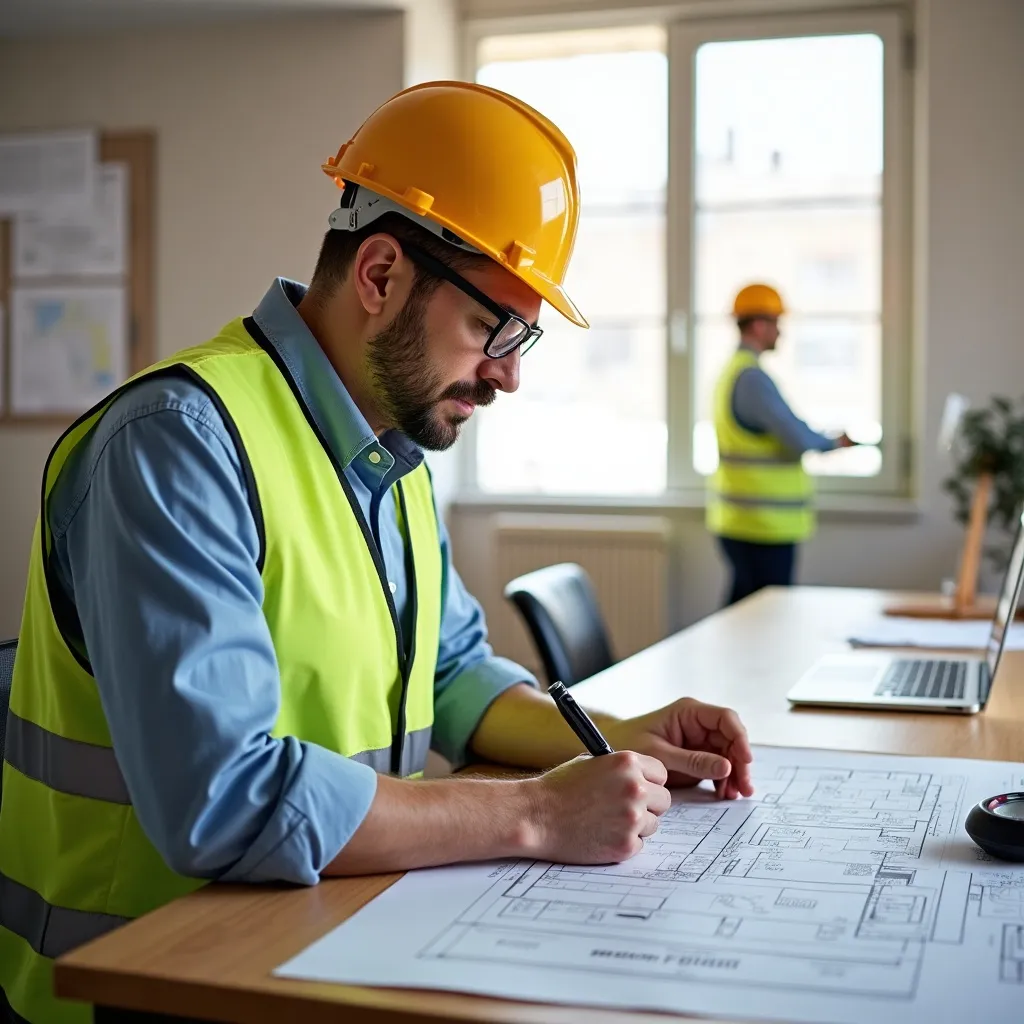
Standard Challenges in Finding a General Construction Expert
When selecting a construction contractor, potential clients often face several common challenges that can hinder the decision-making process. One significant hurdle is the vast quantity of choices on offer, which can result in uncertainty and hesitation. Customers may find it hard to distinguish among contractors based on qualifications, experience, and pricing, rendering it challenging to identify who will best meet their construction requirements.
An additional setback is the opaqueness in contractor submissions, where hidden costs may surface, impacting the project budget. Additionally, clients may struggle with communication-related issues; some contractors may fail to keep clients informed across the process, inducing frustration. At last, clients often grapple with verifying a contractor's references and past work, which can lead to indecision about the quality of service expected. These hindrances necessitate intentional analysis and research to make certain the right choice is executed.
The Value of a Trusted General Contractor
A trustworthy general contractor plays an essential role in ensuring efficient project management and maintaining quality standards. Their expertise helps optimize processes, reducing delays and costs. Additionally, a dependable contractor upholds high standards, resulting in quality workmanship and customer contentment.
Optimize Project Supervision Results
Efficient project management is contingent upon the dependability of a general contractor. A reliable contractor ensures that deadlines are met, resources are properly allocated, and communication runs seamlessly among all stakeholders. Their capability to manage subcontractors, suppliers, and laborers directly impacts the progress and overall success of the project. A trustworthy contractor expects challenges, implements solutions swiftly, and remains focused on project aims This efficiency encourages collaboration, allowing adjustments and improvements as needed. Ultimately, the general contractor's dependability improves both project functions and trust among clients and team members, guaranteeing alignment towards a favorable final outcome.
Quality Assurance Criteria
Reliable contractors play a pivotal role in upholding quality assurance standards throughout the course of a project. They guarantee that all work adheres to established guidelines and industry norms, which is for the lasting quality and safety of the structure. A competent contractor provides careful oversight of materials and workmanship, conducting regular inspections to identify and rectify problems quickly. This proactive strategy mitigates risks associated with inferior construction, ultimately protecting the investment. Furthermore, a reliable contractor supports communication among all stakeholders, ensuring expectations are clear and met. By emphasizing quality assurance, a skilled general contractor not only improves the finished product but also builds trust with clients, laying the foundation for successful project outcomes.
Examining a Professional's Qualifications and Reputation
When selecting a general contractor, knowing their experience and credibility is essential, as these aspects heavily influence project results. A contractor's background typically indicates their ability to manage multiple project types, challenges, and difficulties. Looking at their portfolio gives insight into previous work, showcasing quality workmanship and meticulous attention to detail.
Additionally, credibility plays a vital factor in forming trust. Prospective clients should seek online reviews, testimonials, and references to measure satisfaction levels from previous clients. Interacting with past customers can show the contractor's reliability, communication skills, and adherence to timelines and budgets.
Moreover, professional associations and endorsements can enhance a contractor's authenticity, indicating a commitment to quality and virtuous practices. By thoroughly evaluating both proficiency and reputation, clients can determine the best choice, decisively creating the conditions for a successful construction project.
Essential Characteristics of a Reliable Contractor
A dependable contractor regularly demonstrates integrity, openness, and strong communication skills. These essential qualities form the basis of a successful working relationship. Honesty guarantees the contractor adheres to moral standards, offering truthful evaluations and realistic timelines. Openness involves openly sharing project details, including expenses and possible obstacles, building trust between the contractor and the customer.
Strong communication skills allow the contractor to communicate ideas effectively, listen to client needs, and resolve any issues that arise during the project. Furthermore, a reliable contractor exhibits adaptability, adjusting to changes and unexpected circumstances with composure and flexibility. Close attention to detail is another essential trait; it reflects a commitment to quality and precision in every facet of the work. Ultimately, these characteristics not only enhance project outcomes but also contribute to a positive experience for clients, making the selection of a dependable contractor all the more vital.
Critical Topics to Ask When Working With Your General Contractor?
What method can one take to ensure they pick the right general contractor for their project? By posing a series of targeted questions, potential clients can more effectively assess candidates. First, asking about the contractor's experience with similar projects offers insight into their expertise. It's also essential to request for references; speaking with previous clients can uncover the contractor's reliability and standard of work.
Subsequently, reviewing licensing and insurance guarantees that the contractor fulfills legal requirements and shields the client from potential liabilities. Clients ought to also request information about timelines and project useful tips management strategies to determine how the contractor plans to execute the project efficiently.
Budget conversations are essential; asking for a comprehensive quote prevents unexpected costs later. Finally, understanding the contractor's preferred communication style can set the groundwork for a productive working relationship. By tackling these key questions, clients can choose wisely in selecting their general contractor.
The Importance of Interaction With Your Contractor
Effective communication with a contractor is essential for undertaking accomplishment. Defining clear parameters and providing timely updates can avert conflicts that often lead to expensive interruptions. Additionally, promoting an open dialogue develops confidence, ensuring a more seamless teamwork throughout the building process.
Transparent Objectives Foster Success
Defining clear expectations is critical for a successful partnership with a general contractor. Effective communication lays the foundation for a mutual understanding of project goals, timelines, and budget constraints. When both parties convey their needs and concerns, it lowers the risk of misunderstandings that may disrupt progress. A contractor who understands the specific requirements can assign resources wisely and proactively handle potential challenges. Additionally, transparency promotes accountability, ensuring the contractor fulfills commitments and that the homeowner feels engaged in the process. By prioritizing open dialogue early on, clients can improve cooperation and satisfaction, ultimately resulting in a more seamless project delivery. Clear expectations not only streamline processes but also foster trust between the homeowner and the contractor.
Prompt Communications Stop Confusion
Establishing distinct parameters builds the groundwork for effective partnership, yet frequent contact is absolutely necessary. Regular updates from a project manager can prevent misunderstandings that could happen during a project. When contractors consistently communicate progress information, customers keep abreast of timelines, budget revisions, and potential obstacles. Such proactive engagement functions to align both sides' expectations and decreases the risk of disputes later. In addition, if problems arise, immediate communication allows speedier resolutions, maintaining the work moving forward. Through developing a culture of transparent communication, contractors demonstrate their commitment to the work's success, in the end producing a smoother operation and greater customer satisfaction. Thus, prompt communications serve as a vital element in preserving comprehension and trust throughout the building journey.
Candid Interaction Generates Trust
As a project progresses, maintaining an open dialogue with the primary contractor becomes crucial for fostering belief and collaboration. Direct communication guarantees that all involved parties have a clear understanding of objectives, timelines, and potential challenges. When contractors and customers maintain frequent talks, it lets for the discovery of setbacks before they grow worse, minimizing problems. This candor not only builds certainty but also enhances the overall building experience. Additionally, an two-way communication system encourages responses, equipping the construction leader to make adjustments that align with the client's vision. Ultimately, strong communication grounds a structure of mutual respect, which is essential for the achievement of any construction endeavor. Trust fostered through exchange leads to superior performance for everyone involved.
Frequently Requested Questions
How can I confirm if a Contractor possesses a certification?
To assess if a contractor is licensed, one should inspect local licensing boards or websites, validate their license number, and ensure it's active. Additionally, looking at customer testimonials can provide insight into their professional standing and consistency.
What Policies Does My Service Provider Require?
A service provider ought to obtain general liability insurance, workers' compensation, and, if applicable, professional liability insurance. These safeguard against potential damages, workplace injuries, and errors in workmanship, ensuring economic security for both the contractor and the end user.
What Procedures Should I Follow to Evaluate a Contractor's Client Feedback?
To confirm a contractor's endorsements, one should demand a list of past patrons, connect with them directly, and explore their experiences. Also, analyzing internet ratings and feedback can reveal valuable insights into the contractor's dependability.
What Can I Implement if Problems Present Themselves During the Assignment?
If problems occur during the project, one should record the difficulties, communicate directly with the contractor, and find a solution. If necessary, involving a third party or seeking legal advice may also be suitable.
Are There Warning Signs to Monitor During the Hiring Process?
Problem indicators found in the recruitment phase feature unclear pricing, lack of references, weak communication, incomplete licenses, and poor online reviews. These clues reveal conceivable difficulties that might impact the project's quality and timeline.
Report this page